For years, the wellness industry has sold us a sanitized version of self-care: green juices, face masks, and meditation apps. While these are valuable, they often ignore a fundamental pillar of human health: sexual well-being.
True holistic wellness requires integrating all aspects of our humanity, including our desire for pleasure. Mindful self-care isn’t just about fixing what’s “broken” or stressed; it’s about celebrating what feels good. It is about reclaiming intimacy not as a performance or a chore, but as a vital form of restorative rest.
Redefining Self-Care Beyond Bubble Baths
We track our steps, our sleep cycles, and our water intake. Why do we exclude sexual satisfaction from our health metrics? Acknowledging your needs and taking time to fulfill them is a profound act of self-love.
It teaches you boundaries. It teaches you communication. It teaches you what brings you joy. These lessons inevitably bleed into other areas of life, making you more confident, more patient, and more resilient.
The Neuroscience of Pleasure and Stress Relief
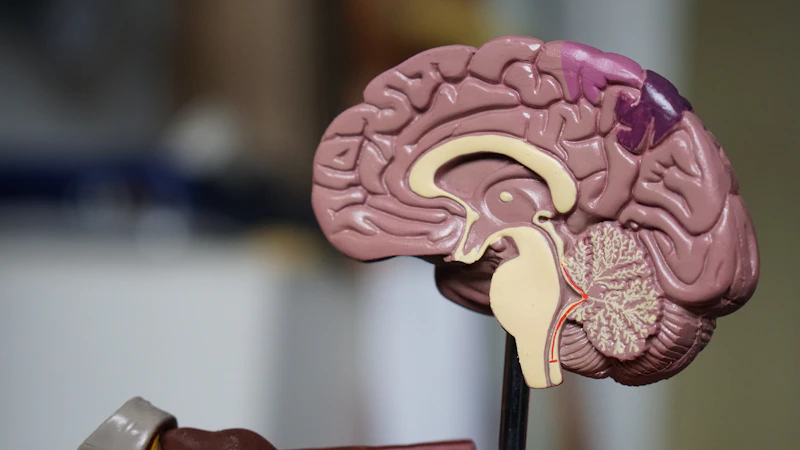
Pleasure is biologically functional. When we engage in consensual, mindful intimacy—whether solo or with a partner—our brains release a powerful cocktail of neurochemicals:
- Dopamine: The reward chemical that boosts mood and motivation.
- Oxytocin: Often called the “cuddle hormone,” it lowers cortisol levels and induces feelings of safety and bonding.
- Endorphins: Natural painkillers that promote relaxation.
In our high-stress modern lives, these moments of release are not indulgences; they are necessary resets for our nervous systems. They shift us from a sympathetic state (“fight or flight”) to a parasympathetic state (“rest and digest”), allowing our bodies to heal and recharge.
Mindfulness: Being Present in the Moment
The barrier to pleasure is often the noise in our heads—the to-do lists, the body image insecurities, the distractions. Mindfulness is the practice of anchoring yourself in the present.
Integrating mindfulness into your intimate routine means slowing down. It involves engaging all five senses before seeking the climax. Notice the texture of your ZEROCHU device against your skin, the ambient lighting, the rhythm of your breath. By focusing on the journey rather than the destination, you transform a physical act into a meditative practice. This deepens the intensity of the experience and fosters a stronger connection with your own body.
Breaking the Taboo: Pleasure as a Health Metric
We track our steps, our sleep cycles, and our water intake. Why do we exclude sexual satisfaction from our health metrics? Acknowledging your needs and taking time to fulfill them is a profound act of self-love.
It teaches you boundaries. It teaches you communication. It teaches you what brings you joy. These lessons inevitably bleed into other areas of life, making you more confident, more patient, and more resilient.
Creating Your Ritual
How do you start?
- Schedule It: Treat your “me time” with the same respect as a gym appointment or a work meeting.
- Set the Scene: Create a sanctuary. Dim lights, clean sheets, and perhaps a scent that grounds you.
- Explore Without Judgment: Use tools like ZEROCHU products to explore new sensations without the pressure of performance. Curiosity is the enemy of judgment.
Final Thoughts
Wellness is a mosaic, and pleasure is a vibrant tile in that picture. By integrating mindful self-care into your routine, you aren’t just chasing a momentary high; you are building a sustainable foundation of happiness and health. You deserve to feel good, inside and out.